







Search Results for: specialty blend
SOE Single-Origin Espresso vs. Espresso Blend Beans: Which Is Better? A Comprehensive Analysis from Definitions to Front Street Coffee Bean Selection Advice
Since the rise of specialty coffee in China, the debate over whether espresso should use single-origin beans or blended beans has never ceased. The SOE camp emphasizes the pure quality of single-origin specialty beans, while the blend camp values the balance and crema performance brought by blending multiple origins. This article will start with the full name and origin of SOE, review the historical milestone of James Hoffmann winning the 2007 WBC with single-origin beans, analyze why blended beans were once stigmatized, and explain the pros and cons of each. At the same time, drawing on the views of Front Street Coffee, it offers selection advice for coffee shops and home users, and finally includes specific flavor information for Front Street's recommended SOE coffee beans and three espresso blends, helping readers build a more complete understanding. [more…]
How Should Coffee Shops Choose Espresso Beans? Differences Between Commercial Beans and Specialty Beans, Plus Front Street Blend Recommendations
When opening a coffee shop, which should be considered first: the espresso machine or the coffee beans? This article focuses on the choice of coffee beans. A café's positioning directly determines the direction of bean selection: if cost control is the priority, ordinary commercial beans can be used; if the goal is beverage quality, specialty coffee beans are recommended. The article sorts out the approach to bean selection based on positioning, compares the core differences between specialty beans and commercial beans in terms of quality and price, and provides the accounting logic from a business perspective. It also retains product information from the Front Street brand, including the Dark Cocoa Blend, Commercial Blend, Specialty Blend, and Strawberry Candy Espresso Blend, to help coffee enthusiasts and shop owners make clearer choices. [more…]
The specialty coffee scene is shifting: from single-origin hype to a rational return to high-quality blends
For many years, single-origin coffee has been practically synonymous with specialty coffee; from coffee shops to the World Coffee Championships, single-origin beans have been highly revered. However, over the past year, the global specialty coffee market and top competitions have quietly shifted direction, and high-quality blended coffee beans are returning to the spotlight. Behind this shift are both the practical pressures of climate and transportation costs and consumers' fundamental demand for stable, balanced flavors. This article will examine, from the perspectives of market trends, competition cases, and blending expertise, why the specialty coffee world is no longer blindly pursuing single origins, and how blended coffee is shedding its low-quality label to become the industry's new focus. [more…]
How to choose beans for SOE single-origin espresso? A complete guide from flavor types to Front Street Coffee brand recommendations
As specialty coffee has become increasingly popular in China, the debate over whether espresso should use single-origin beans or blend beans has never ceased. SOE (Single Origin Espresso) rose to fame after being used by 2007 WBC champion James Hoffmann, and gradually became popular in China due to the promotion of chain brands. However, SOE and blends each have their pros and cons: the former emphasizes flavor individuality and often carries noticeable acidity; the latter pursues richness and stability, better matching mainstream tastes. Front Street Coffee believes that the core of specialty coffee lies in the professional presentation of the entire supply chain, rather than judging quality solely by bean type. This article will systematically sort out the definition of SOE, its history, and its differences from blend beans, and provide specific recommendations for Front Street brand SOE and espresso blend beans, helping coffee lovers make choices that suit them. [more…]
How to Choose Espresso Blend Beans? An Analysis of Front Street Specialty Blend Coffee Flavors and Bean Blending Approach
Espresso blend coffee occupies a mainstream position in the coffee consumer market that cannot be ignored. For coffee enthusiasts who want stable output while balancing flavor and cost, blended beans are often the daily first choice. Front Street Coffee currently uses a Front Street specialty espresso blend coffee bean, all of which are Arabica, composed of 40% Colombia and 60% Brazil. This bean presents distinct notes of dark cocoa and caramel, with a rich and mellow entry, soft and faint acidity, a light sweetness and nut-like sweet aftertaste, and an overall balanced and smooth performance that is not overly sharp, while the crema thickness is at a medium level. This article will explain the blending approach, flavor performance, and applicable scenarios of this espresso blend bean, helping readers understand the basic logic and selection direction of espresso blend coffee. [more…]

Single-Origin, Specialty, and Blended Coffee Beans: A Full Guide from Origin Traceability and SCA Scores to Espresso Blends
Single-origin, specialty, and blended coffee beans differ in their conceptual levels, quality standards, and brewing methods. Single-origin coffee emphasizes the traceability of a single origin or even a single estate, allowing drinkers to clearly understand where the flavors in their cup come from; specialty coffee, building on single-origin, adds the SCA scoring threshold, with certification granted only at 80 points or above, and microclimates and soil and water conditions are indispensable. Blended coffee, meanwhile, involves the roaster combining beans from different origins, pursuing balance and consistency in flavor while also reducing costs. This article systematically sorts out the definitional boundaries and characteristic differences of the three, and, in conjunction with Front Street Coffee's specific products, helps coffee enthusiasts build a clear cognitive framework. [more…]
A Complete Analysis of Coffee Bean Blending: The Flavor Design Logic of Espresso Blends and a Comparison of Four Front Street Coffee Products
Blending coffee is not simply mixing several kinds of beans together at random; rather, it is the blender using their understanding of flavor to let different coffee beans complement each other, achieving a more balanced and stable taste. This article starts with the basic concept of blending, explaining why blending is not simple addition, and also discusses how, under specialty coffee standards, blended beans can equally become specialty coffee. The article focuses on the four purposes of Front Street Coffee's blended coffee production and four medium-dark roast espresso blend products, including recipes, prices, and flavor descriptions, and explains why blending is mostly aimed at espresso, as well as the significance of post-roast blending methods and shipping after roasting for flavor stability. [more…]
Illustrated Guide to Espresso Making | Which Is More Bitter, Latte or Iced Americano? Does Starbucks Americano Taste Good? Can You Add Sugar and Milk to Espresso?
For more specialty coffee knowledge, please follow: Front Street Coffee (Frontsteet Coffee) Before figuring out questions like "the difference between Americano and Latte," "which coffee is less bitter, Americano or Latte," "which tastes better, Americano black coffee or Latte," and so on, Front Street believes [more…]
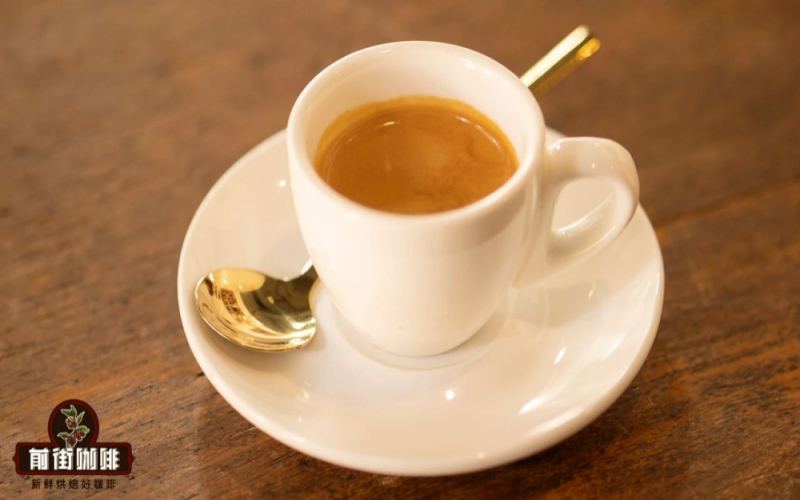
Espresso Brewing Guide: Standard Parameters, Flavor Characteristics, and Four Front Street Coffee Blend Recommendations
Espresso is the cornerstone of the modern coffee system and a topic every coffee lover cannot avoid. What should a qualified espresso look like? How should the six major parameters—dose, ratio, time, flow rate, pressure, and water temperature—be understood and coordinated? Starting from the production practices of Front Street Coffee, this article systematically sorts out the extraction standards and flavor characteristics of espresso, and provides a detailed introduction to the recipes, flavors, and applicable scenarios of four espresso coffee beans: Front Street Dark Cocoa Blend, Specialty Blend, Commercial Blend, and Warm Sun Blend. Finally, it includes practical reminders on coffee bean purchasing and the optimal tasting period, helping you make a satisfying Espresso at home or in a shop. [more…]
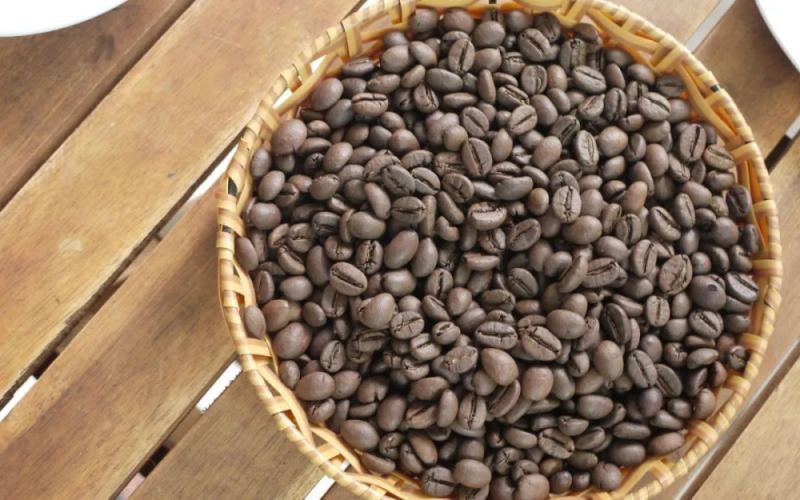
An Analysis of the Flavor Characteristics of Specialty Robusta Coffee Beans: Is Coffee Quality Necessarily Poor When Robusta Is Blended In?
Robusta coffee beans are often considered inferior to Arabica in flavor, but they possess excellent body and a solid mouthfeel, making them an indispensable player in coffee blends. This article explores Robusta's position in specialty coffee from the perspectives of flavor characteristics, consumer market trends, and blending expertise, and examines whether blended coffee containing Robusta is necessarily of poor quality. At the same time, as more and more consumers pursue acidity, rich and balanced coffee remains the mainstream preference, and blended beans are emerging as the future direction of specialty coffee. The article also cites netizen opinions to reflect on whether the definition of specialty coffee should transcend the limitations of variety and extraction methods. [more…]
How to Choose Espresso Beans? An Analysis of the Differences Between Specialty and Commercial Beans, Plus High-Cost-Performance Blend Recommendations
Faced with a dazzling array of coffee beans, should espresso use commercial beans or specialty beans? This article compares the differences between the two types of coffee beans from the perspectives of cost, flavor, and quality, sorts out the six major characteristics of specialty coffee beans and the blending advantages of commercial beans, and offers bean selection advice based on the positioning of a coffee shop. At the same time, it explains in detail the common origin combinations and extraction parameters for espresso blends, as well as the flavor characteristics of specialty regions such as Ethiopia, Colombia, Sumatra, and Brazil. At the end, Front Street espresso blend coffee beans are recommended to meet daily production needs with high cost-effectiveness. [more…]
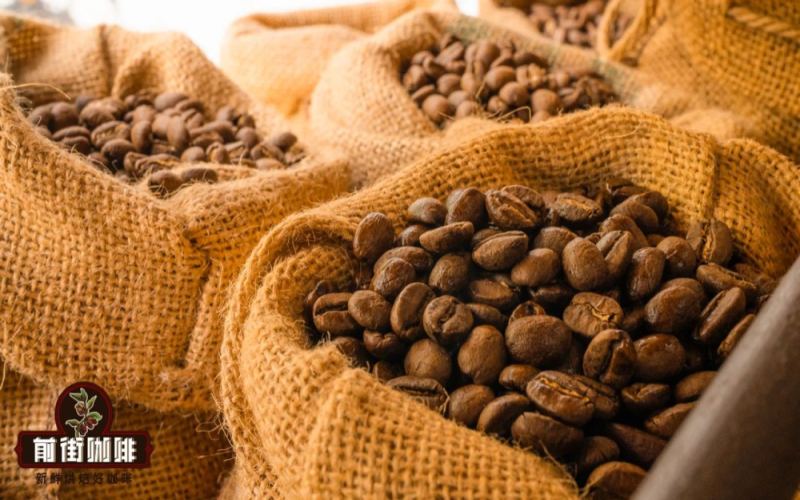
How to Choose Beans for Espresso Beginners? A Full Analysis of Specialty Blend Selection Points and Flavor Characteristics
Friends who have just stepped into the world of espresso usually hear one piece of advice: start with specialty blend beans. These beans are not only affordable and rich in flavor, but also provide stable crema, and are quite friendly for practicing latte art—truly killing several birds with one stone. But faced with the dazzling array of blend products on the market, how exactly should you choose? Why are light-roast beans not quite suitable for espresso? After roasting, how long should they rest before use? This article will focus on the roasting characteristics of specialty espresso blends, buying considerations, and two classic products from Front Street Coffee, to help you find the bag of beans suited for everyday use. [more…]
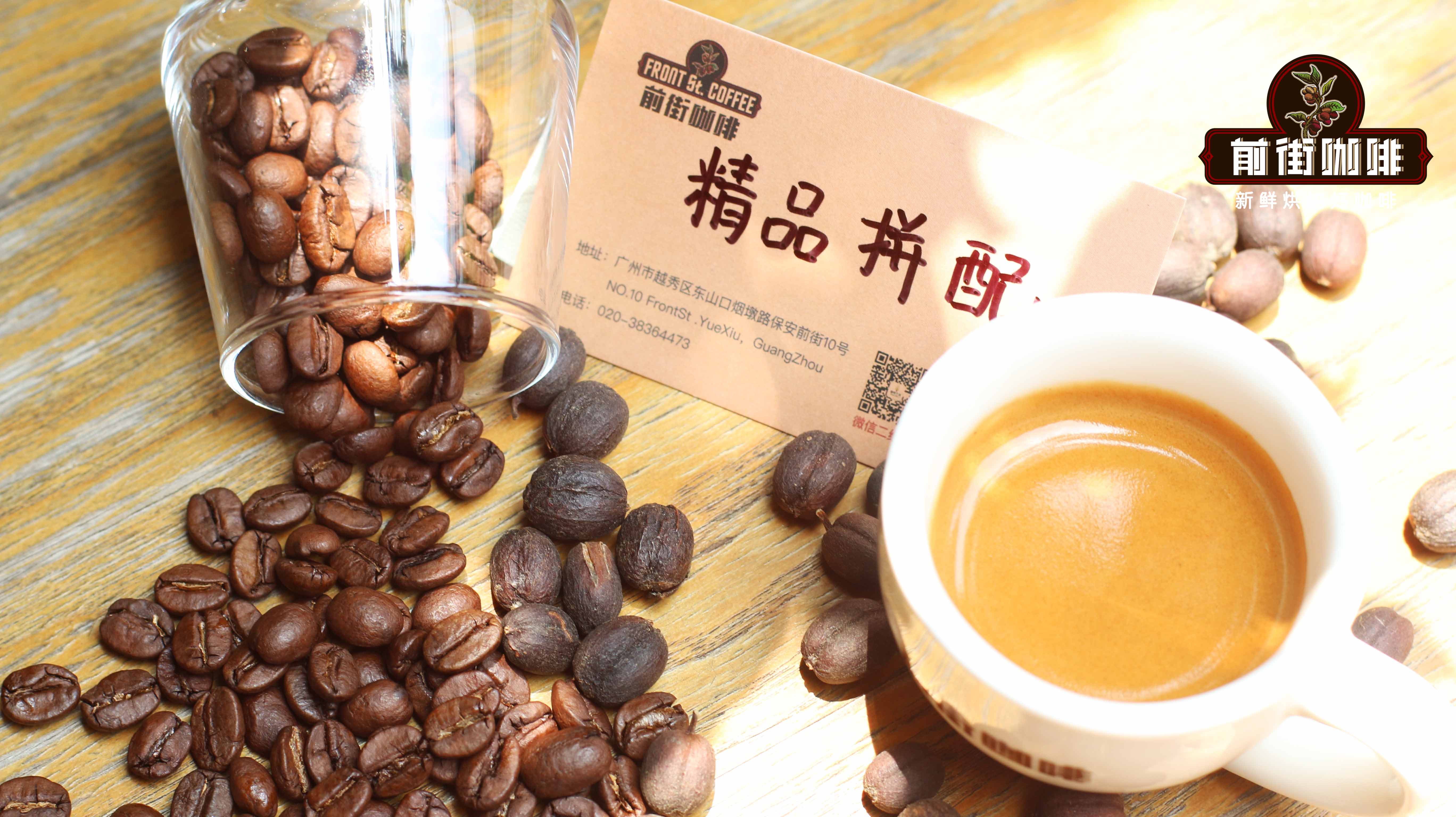
The Blending Logic and Flavor Tuning of Italian-Style Espresso Blend Coffee Beans: From Espresso Characteristics to Front Street Coffee's Specialty Blends
Espresso, with its rich flavor and thick crema, serves as the foundation for many coffee beverages. To craft an ideal Espresso, it is often necessary to blend coffee beans from different origins in order to balance both physical and flavor characteristics. This article approaches Espresso from two dimensions—physical and flavor—exploring how blended coffee achieves flavor goals through base bean selection, the use of Robusta, the addition of key coffees, and balance adjustments. It also introduces the applicable scenarios for two processes: blending before roasting and roasting before blending. Finally, using Front Street Specialty Espresso Blend Coffee Beans—a combination of Colombian and Brazilian beans—as an example, it demonstrates a sweet, balanced blend suitable for daily production. [more…]
What are the characteristics of espresso blend coffee recipes? Can specialty blend beans be used for pour-over brewing?
Blending coffee is not simply mixing different beans together; rather, it relies on the blender's understanding of flavor to let coffee beans from various regions complement each other's strengths and weaknesses, presenting a more balanced and enchanting taste. Based on the four goals of balanced taste, cost reduction, showcasing characteristics, and stable flavor, Front Street Coffee has launched four Italian-style medium-dark roast blends. So, can these blends designed for espresso also be used for pour-over? This article will analyze the formulation approach of blended coffee, the specific composition of the four Front Street products, and explain in detail how grind size, water temperature, and pouring method should be adjusted when using medium-dark roast blends for pour-over. [more…]
How to Choose Espresso Beans? An Analysis of Single-Origin vs. Blends and Front Street Coffee Recommendations
Step into a specialty coffee shop, and the beans on the menu usually fall into two major camps: single-origin and blended. What exactly is the difference between them? Single-origin emphasizes traceable regional flavors, while blends achieve balanced taste by mixing beans from different regions. This article will systematically sort out the differences between the two, from definitions and characteristics to suitable scenarios, and for espresso needs, recommend several products such as Front Street Coffee's Classic Blend, Specialty Blend, and Dark Cocoa Base Blend, helping coffee enthusiasts, while learning the knowledge, find beans suitable for making espresso and latte art at home. [more…]
American Coffee Bean Recommendations | Which Coffee Beans Make American Black Coffee Not Sour? Should Pour-Over Coffee and American Coffee Be Drunk Hot or Cold?
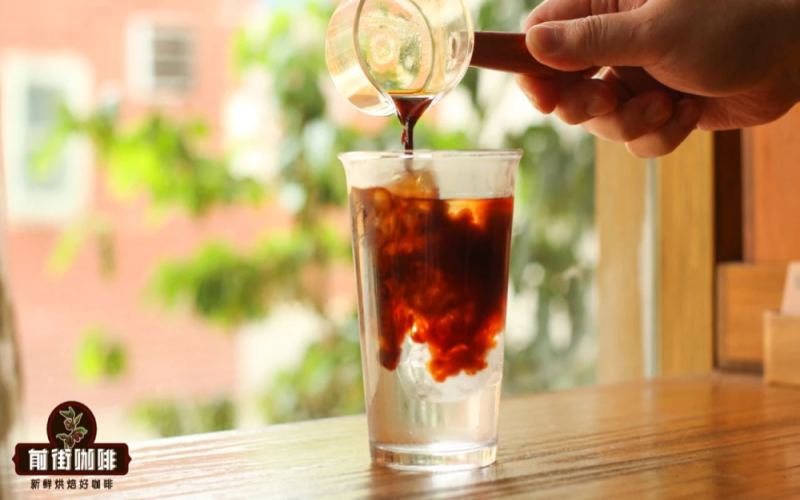
This article is a Americano brewing tutorial from Front Street Coffee (FrontStreet Coffee). Before the article begins, let me first explain what espresso is, what Americano is, what pour-over is, and what black coffee is. Espresso refers to the concentrated liquid extracted by an espresso machine, most [more…]
Americano vs Latte | Which tastes more bitter, Americano or Latte? What is the relationship between Americano, Latte, and Espresso?
Before figuring out questions like "the difference between Americano and Latte," "which coffee is less bitter, Americano or Latte," or "which tastes better, Americano black coffee or Latte," Front Street Coffee believes everyone first needs to understand what espresso is. What on earth is espresso? Espresso [more…]
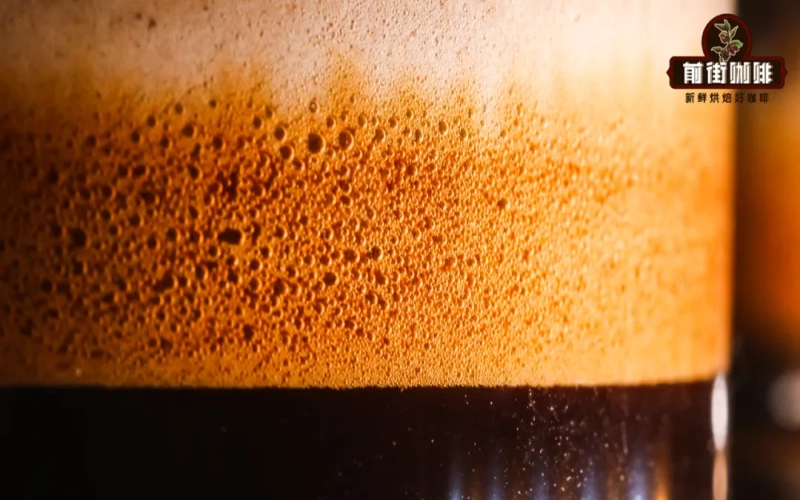
Analysis of SOE Single-Origin Espresso and Espresso Blend Beans, with a Front Street Coffee Buying Guide
This article reviews the origins and current state of SOE (Single Origin Espresso), pointing out that although it has become a highlight of independent coffee shops due to its distinctive character, it is not absolutely superior to traditional blends. The article explains that blended beans are composed of beans from multiple origins, can provide stable flavor, and can be made entirely from specialty beans, while SOE magnifies and reveals the strengths and weaknesses of a single origin and places higher demands on roasting and extraction. For different preferences and uses, the editor gives recommendations for Front Street brand SOE and blended beans: choose African medium roast for fresh floral notes, American medium roast for high sweetness, and Central and South American plus Asian medium-dark roast for those who dislike acidity; for commercial and home blends, there are three options: specialty, commercial, and dark cocoa. Finally, it suggests how to choose from the three aspects of use, equipment, and taste, emphasizing that it is worth asking the barista more questions and trying it yourself. [more…]
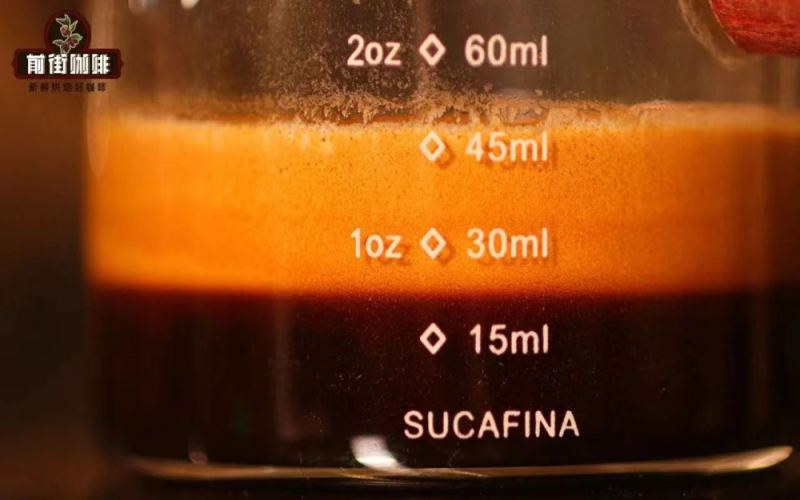
Are Espresso Blend Coffee Beans Good? Five Specialty Blend Beans Recommended for Home Espresso Machines
Blended coffee beans are a signature product of cafes and brands. Compared with single-origin beans, they deliver a rounder, more balanced taste and more stable extraction performance. For home users, choosing beans requires balancing three dimensions: good taste, consistent quality, and reasonable price. Based on these three criteria, this article selects five specialty blend beans suitable for home espresso machines, covering different styles such as rich and full-bodied, fruity and tangy, nutty, cafe-style, and high cost-performance, and introduces in detail each bean's recipe approach, roasting characteristics, and suitable scenarios. At the end, it also introduces the brand background and purchasing channels of Front Street Coffee, helping coffee enthusiasts and shop owners find everyday staple beans that suit them. [more…]
What Exactly Is American Black Coffee? Analyzing the Differences Between Americano and Long Black and Blend Bean Choices
Many coffee enthusiasts simply equate Americano black coffee with Americano, but in fact there are subtle differences between the two in concept and preparation. This article starts with the flavor sources of Americano and the production differences between Americano and Long Black, analyzes the impact of espresso extraction status on taste, and systematically introduces the recipes, flavors, and applicable scenarios of several espresso coffee beans used in Front Street Coffee stores, including Sunflower Warm Sun Blend, Dark Cocoa Blend, Specialty Blend, and Commercial Blend, to help readers understand the bean logic and extraction key points behind a delicious cup of Americano black coffee. [more…]